
Environment, Agriculture and Geography
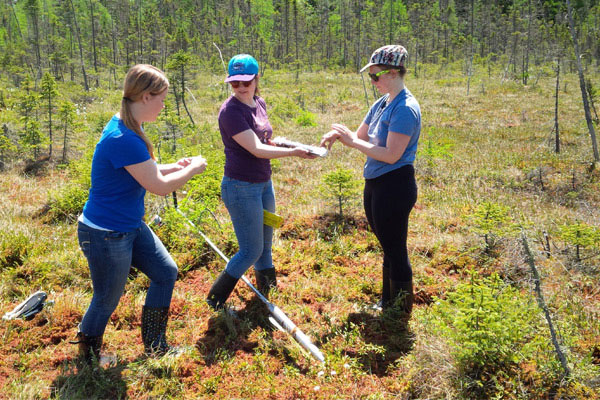
Environmental Studies, Environmental Sciences, and Geography Programs
At Bishop’s, we explore pressing issues in environment and geography through both human and physical dimensions in our undergraduate degree programs. Do you want to gain hands-on, specialized knowledge and experience in topics ranging from environmental justice to sea level change? Or are you hoping to simply learn more about these subjects as a compliment to another program? Either way, our honours, major, and minor programs in environment and geography are for you.
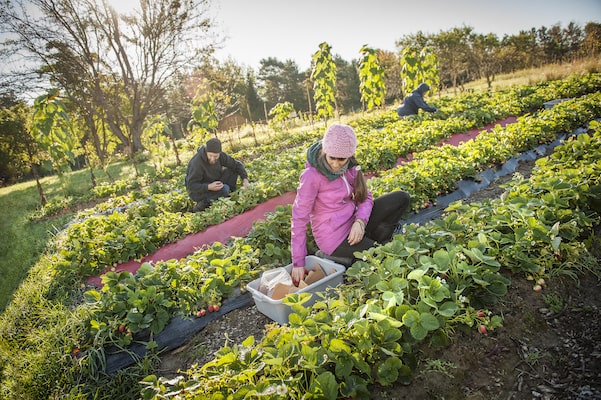
Sustainable Agriculture and Food Systems (SAFS) Programs
Do you wish to become an active participant in making a difference in the world? Change how you think globally and act locally? Acquire skills in ecological food production, a comprehensive understanding of how agroecosystems work, and earn an internationally recognized “Permaculture Design Certificate”?
Why study in the Department of Environment, Agriculture and Geography at Bishop’s?
“…I was able to become involved in student projects on and off of campus, complete an honours thesis and work as a research assistant. My years at Bishop’s were instrumental in shaping my outlook on the world and allowing me to realize the potential geographical research has for improving the world around us…”
Courses & Programs
The Department of Environment, Agriculture and Geography offers both B.A. and B.Sc. majors and a wide variety of courses focusing on the intersection of humans and the natural environment.
Environmental Studies (EST)
B.A. Honours in Environmental Studies, 60 credits
B.A. Major in Environmental Studies, 48 credits
Minor in Environmental Studies, 24 credits
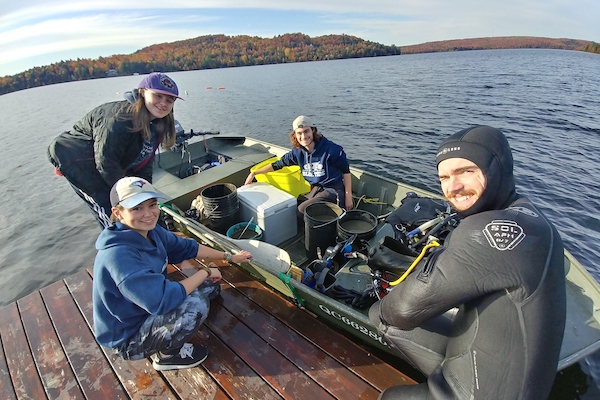
Minor in Scientific Diving and Freshwater Environmental Assessment
Geography (GEO)
B.A. Honours in Geography and Climate Change, 60 credits
B.A. Major in Geography and Climate Change, 48 credits
Minor in Geography and Climate Change, 24 credits
Environmental Science (ENV)
B.Sc. Honours in Environmental Science, 81 credits
B.Sc. Major in Environmental Science, 75 credits
Minor in Environmental Science, 24 credits
Sustainable Agriculture and Food Systems (SAFS)
B.A. Honours in Sustainable Agriculture and Food Systems, 60 credits
B.A. Major in Sustainable Agriculture and Food Systems, 48 credits
Minor in Sustainable Agriculture and Food Systems, 24 credits
Certificate in Environmental Studies and Geography, 30 credits
Certificate in Sustainable Agriculture and Food Systems, 30 credits
Resources
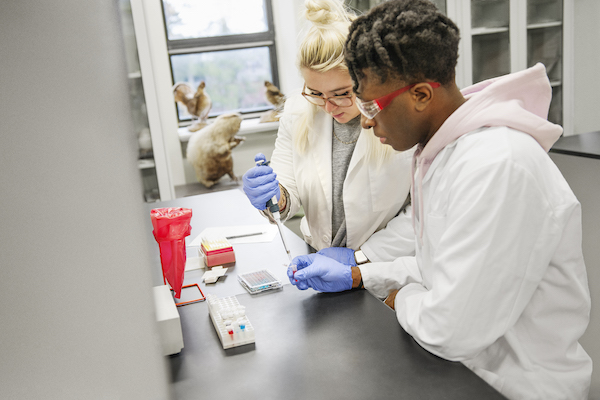
Our campus is located at the confluence of the St. Francis and the Massawippi rivers, in an area rich of lakes, marshes, and hardwood forests. The area is ideal for hands-on projects in outdoor recreation and environmental science courses, as well as climate change research. Our Environmental Science students also have access to the Biology, Chemistry, Physics, Computer Science, and other department laboratories
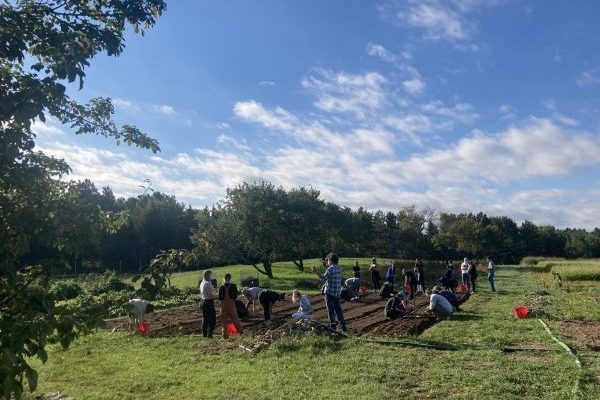
Educational Farm
The Educational Farm is a laboratory for field teaching, experiential learning, and exploration. Students will be trained in ecological agriculture, permaculture design, market gardening, organic fruit production, animal husbandry, agroforestry, and other systems, while nurturing a transdisciplinary, systems-thinking perspective. The Educational Farm also provides space for exploring and experimenting with solutions to agricultural and food systems challenges, and it will serve as a platform for a variety of participatory projects.

About your professors
Dr. Bardati’s research interests revolve around agroecology and sustainable foods systems, adaptation to climate change, and water management. Dr. Aoun is a horticulturist and a plant scientist. Through a multidisciplinary approach in agricultural sciences, she strives to create and integrate different strategies and technologies in order to build sustainable production systems. Dr. Levac is conducting research on climate change. Her present focus is on the health impacts of airborne pollen and air pollution on human health.
Intrigued?